


The seed contains a small amount of hydrogen cyanide, so if the fruit is bitter it should be avoided, although they are mostly sweet and perfectly safe to eat.
The wild service tree was once quite common, but today you will be very lucky to spot one indeed. They have hawthorn-like leaves which turn yellow-orange through to brown or red. If turned upside down the leaf resembles flames rising from the base-wood of a campfire. Although very rare, they can be found in some segments of ancient woodland in southern Britain and are now often reintroduced into country parks, nature reserves and managed woodlands.
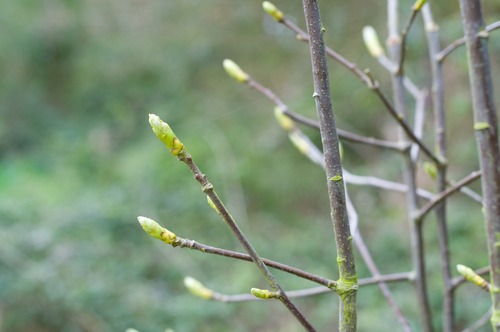
BERRIES - it is these that are the edible part of the tree. They are often found growing out of reach, so you may need to climb the tree to get your hands on them. They are small, and green-brown in colour. They are best eaten when they begin to blet (go rotten a little bit). This makes them sweeter. They were once a major part of the diet, and even sold in markets. A famous drink known as 'Chequers' was also made from them.






anna donfranceco on 10/10/11
i have lots of service berries have made alcahol frozen and dried .need more recipesapart from jam please .i really want to honour this ancient berry.