
Sorrel contains high levels of oxalic acid, this is fine in small quantities, but in large doses oxalic acid can lock-up other nutrients, especially calcium, which may lead to mineral deficiencies. Anyone who suffers from rheumatism, arthritis, kidney stones, gout, hyperacidity or anyone who is pregnant should avoid this plant as it can cause aggravation. Oxalic acid is also present in many foods you would buy from a supermarket, so please bear this in mind. Just because it's wild, doesn't mean it should be ignored totally.
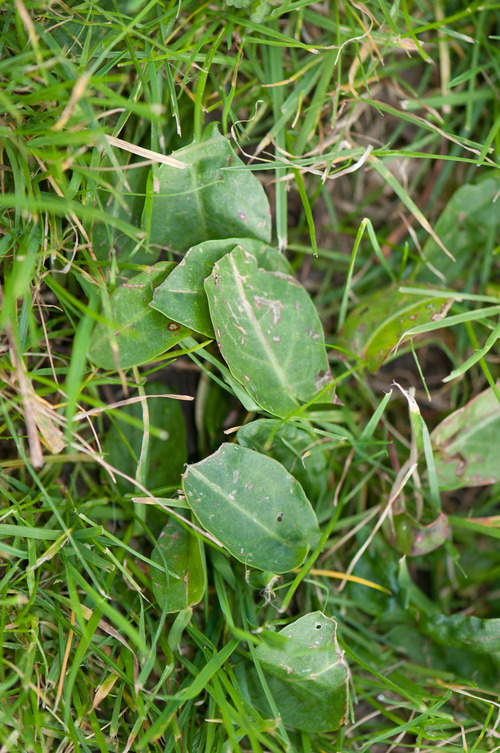
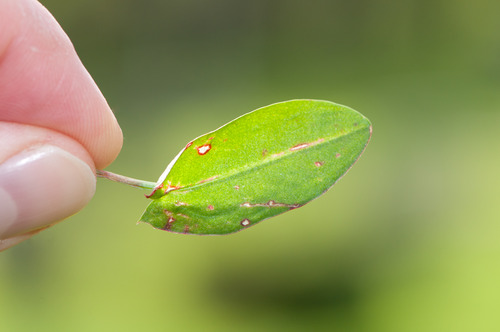
Common Sorrel Rumex acetosella
Sorrel is a delightful little plant, often found growing on lawns and woodland valleys. Common Sorrel was the first wild food that I learnt about at the age of four, when it was first shown to me by my Granddad, Harry. For this reason, I feel it’s only right to start the Wild Food section of the website off with this charming and sharp tasting little plant.
Sorrel is quite common, often found growing among tall grass in hedgerows and gardens, or, where the grass is mown on a regular basis sorrel keeps close to the ground in small clusters like that shown in the image here. Common Sorrel tends to have a preference for slightly damp areas of ground.
Like many of our native flora, Sorrel has been used for a wide variety of uses over the years. The roots product a dark greenish dye and the leaves produce a grey dye, as do the stems. The acidic juices from sorrel have been employed as an effective stain remover and an infusion made from the stems has been used as a polish for silver and some types of wicker-type furniture.
For me though, it was the edible properties that first piqued my interest toward this sharp-tasting little herb. Sorrel, for most, seems to be a little too sharp in flavour, somewhat lemon-like or the sensation that you get when biting into a not fully-ripe plum is given off when biting down on the leaves. The arrow-shaped succulent green leaves, often within a rust-colour tinge make a welcome addition to salads and fish dishes. Sorrel sauce is another nice way of enjoying this wild plant, but the leaves discolour easily, which some may find off-putting, although you really shouldn’t.
As detailed above, Sorrel contains oxalic acid, but don’t be put off by this, the same can be said for spinach and rhubarb. It is however advisable to avoid eating it if you suffer from arthritis as oxalic acid can have a detrimental effect on this condition as it binds up the bodies calcium.